

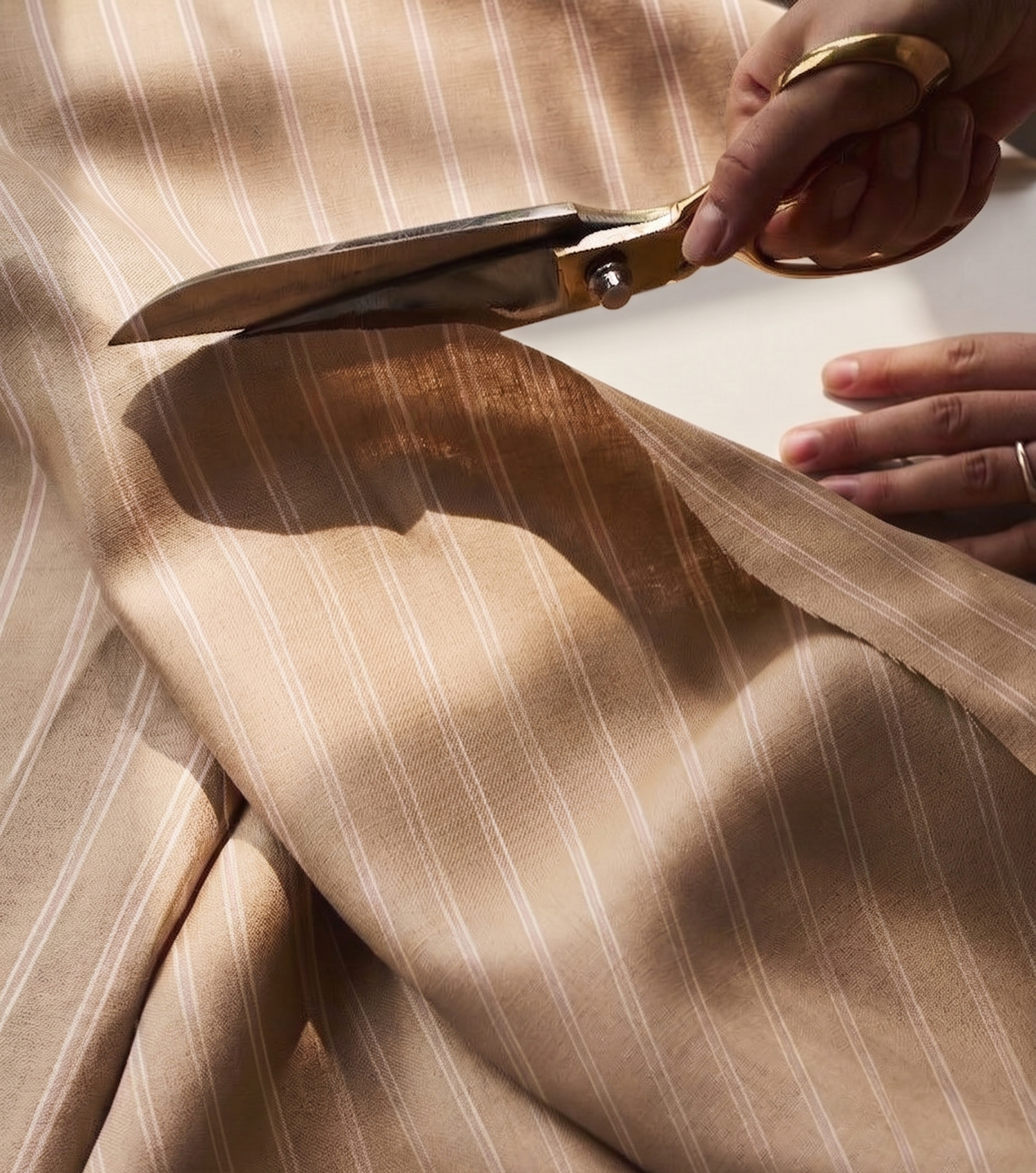
MADE IN SPAIN
Nuestro compromiso con la sostenibilidad también pasa por apoyar la cercanía. Por ello creemos en prendas de KM 0.
Todas nuestras prendas se confeccionan en talleres artesanales españoles, donde se cuidan los detalles, tiempos y las manos que hacen posible cada cápsula. Trabajar en proximidad nos permite conocer a las personas que están detrás de cada prenda, garantizar condiciones justas y mantener un diálogo constante con quienes comparten nuestros valores.
Creemos profundamente en el valor del trabajo local y en el poder de una economía que respeta los oficios y la calidad por encima de la cantidad. Producir en España no solo reduce nuestra huella de carbono, sino que también nos conecta con nuestras raíces y con una forma más consciente y honesta de entender la moda.
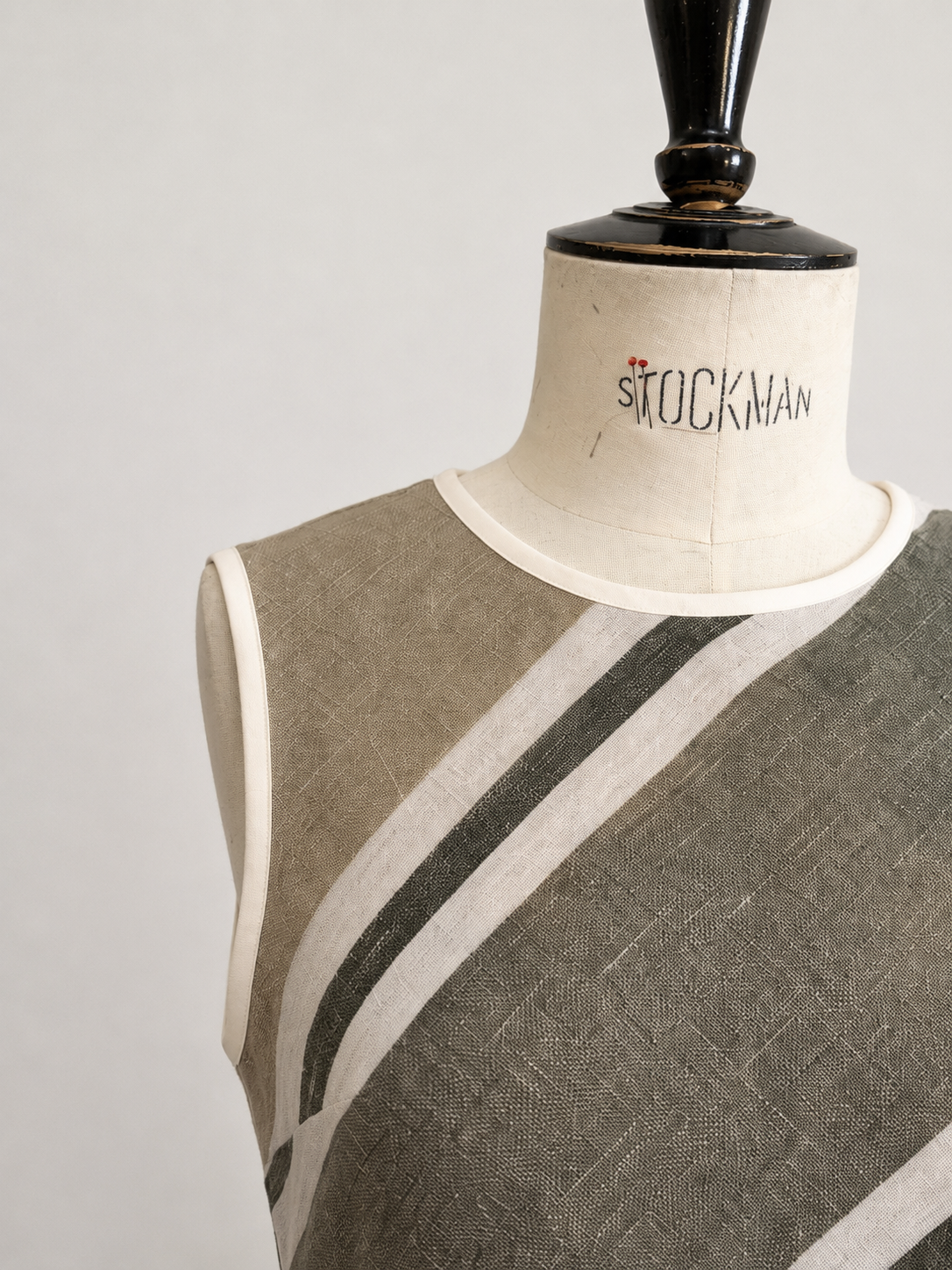
DEADSTOCK FABRICS
We rescue them and transform them into unique collections. That's why our capsule collections are limited and exclusive : we produce only with the available fabric, with no possibility of repetition. When a garment sells out, it ceases to exist, becoming a special, unrepeatable, and conscious piece.
TIMELESS AND VERSTATIC DESIGNS
In a fast-paced world, we decided to slow down. Each design is born with the idea of being timeless and versatile—pieces that transcend seasons and that you can enjoy for years. We avoid fleeting trends to focus on pieces that become part of your wardrobe.
your wardrobe, not in temporary waste.


1. Deadstock fabrics
These are fabric surpluses: material that has already been manufactured (often for other brands), leftovers due to color changes, orders or production, which are normally discarded.
- In 2024, global textile waste reached approximately 120 million tons ; roughly 80% ends up in landfills or is incinerated.
- If the trend does not change, by 2030 this volume could rise to more than 150 million tons/year .
By utilizing deadstock fabrics, IPA BRAND drastically reduces waste, preventing high-quality materials from being burned or ending up in landfills. Every garment made with deadstock is a garment that otherwise wouldn't exist.
2. Spanish artisan workshops
- In Spain there are around 63,100 companies dedicated to high craftsmanship in 2022, a number slightly lower than in previous years due to generational change.
- In 2019, the crafts sector represented approximately 64,000 companies , employing around 213,000 people , and contributing more than 6 billion euros to Spain's manufacturing GDP.
Artisan workshops are in decline. At IPA BRAND, we work with those workshops that still maintain traditional techniques, with skill, knowledge, and care. Keeping them alive is preserving a cultural legacy and guaranteeing quality, traceability, and authenticity in every stitch.
3. Spanish Suppliers
- Having local suppliers shortens supply chains, reduces transport emissions, improves response times, and allows for better quality control.
- In addition, it supports small industries that often face strong competition from cheap imported products.
When we use Spanish suppliers for every small component, we not only guarantee quality, but we also help maintain local jobs, reduce our environmental footprint, and support local businesses. Every button, zipper, or label we use has a known origin and a positive impact.
4. Conscious Production
- Slow fashion emerges as a response to the pace of fast fashion , which generates a lot of waste, low durability and a great environmental impact.
- The fashion sector generates very high emissions: in 2023 it reached about 944 million tons of CO₂ annually, which represents about 1.78% of the global total .
In a fast-paced world, we champion patience: creating with purpose, using durable materials, producing less but better, sewing well, sewing locally. Fashion that doesn't go out of style, that accompanies, not is forgotten. Slow fashion isn't just about beautiful clothes; it's about caring for what you do, how you do it, and for whom you do it.